Grove walk and tasting
A walk among the trees, how Koroneiki is grown, and a guided tasting of our oil with bread, olives and local wine.
€ price per personExtra virgin olive oil · Trifyllia, Messinia
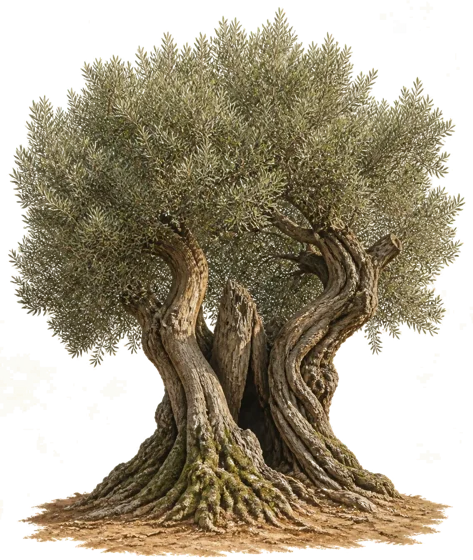 GENOSγένος (n.) — family, lineage, the line that carries on.
Koroneiki olive oil from our family's groves in western Messinia, packed in tins and sent from the grove to your table.
One oil, one family of tins.
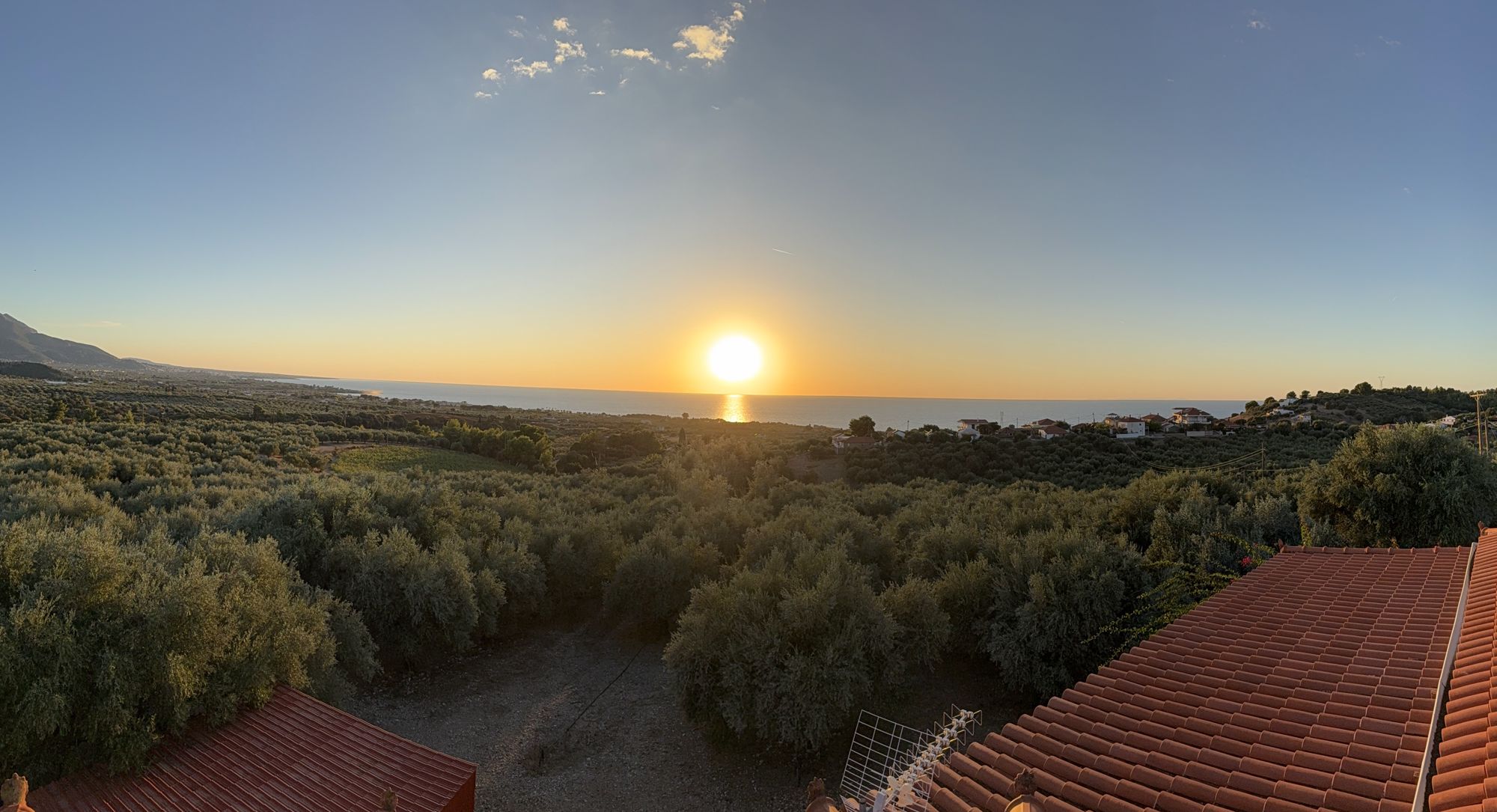
From the grove
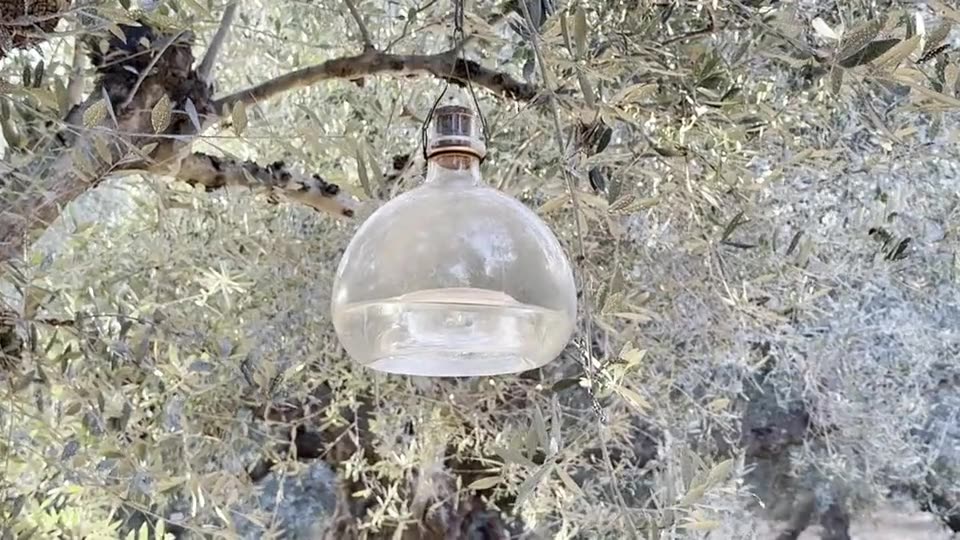
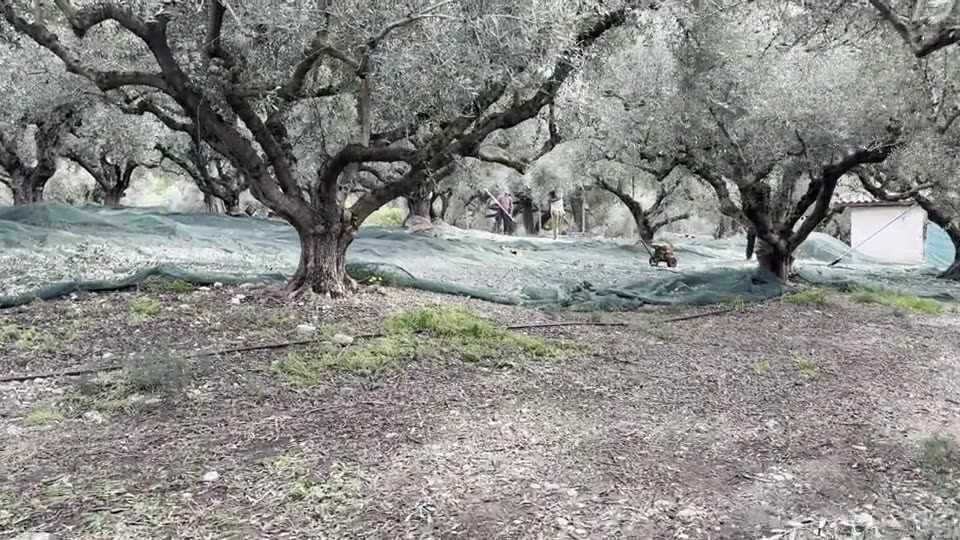
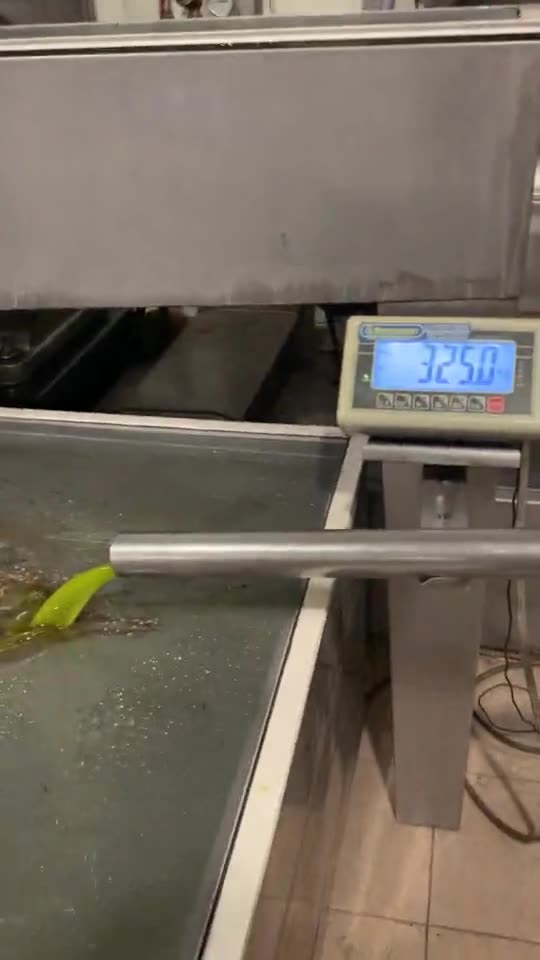
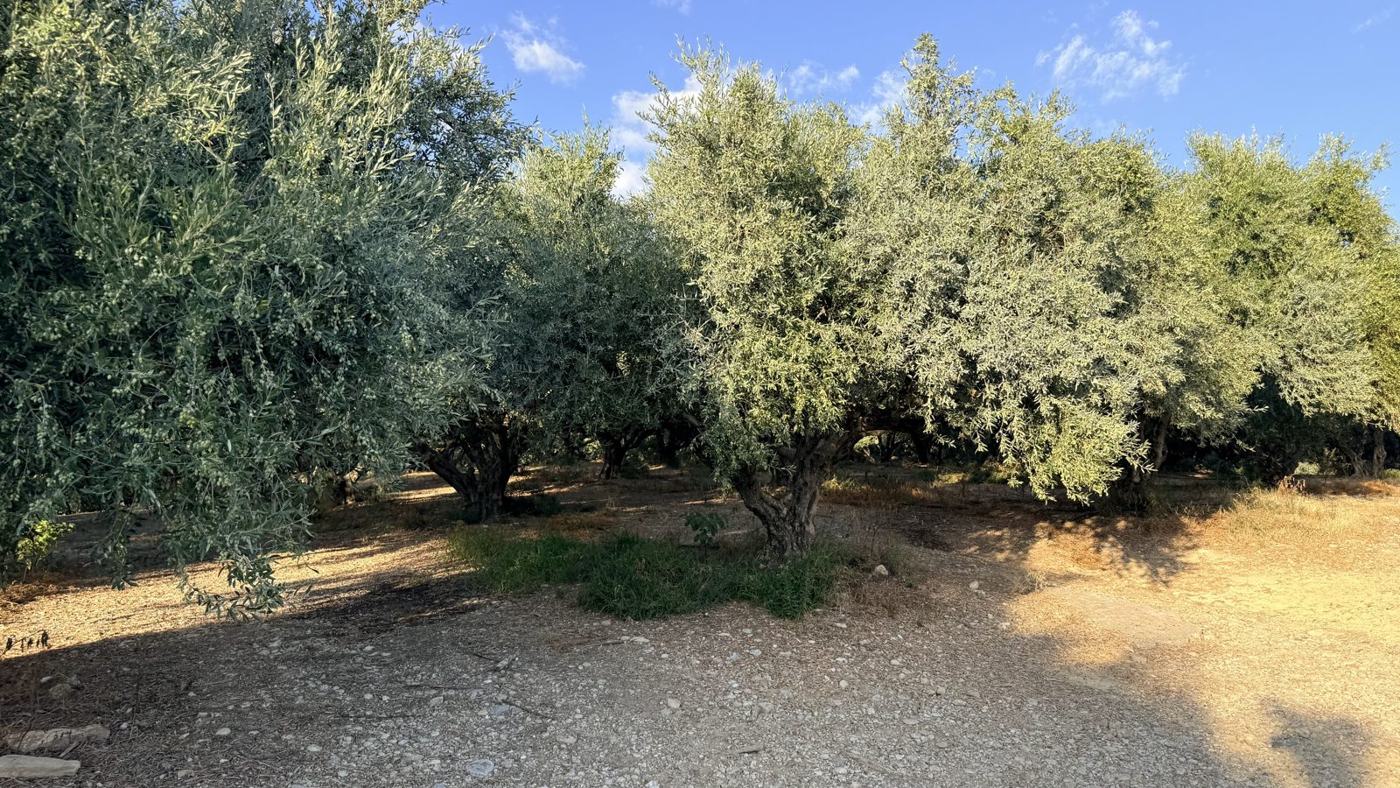
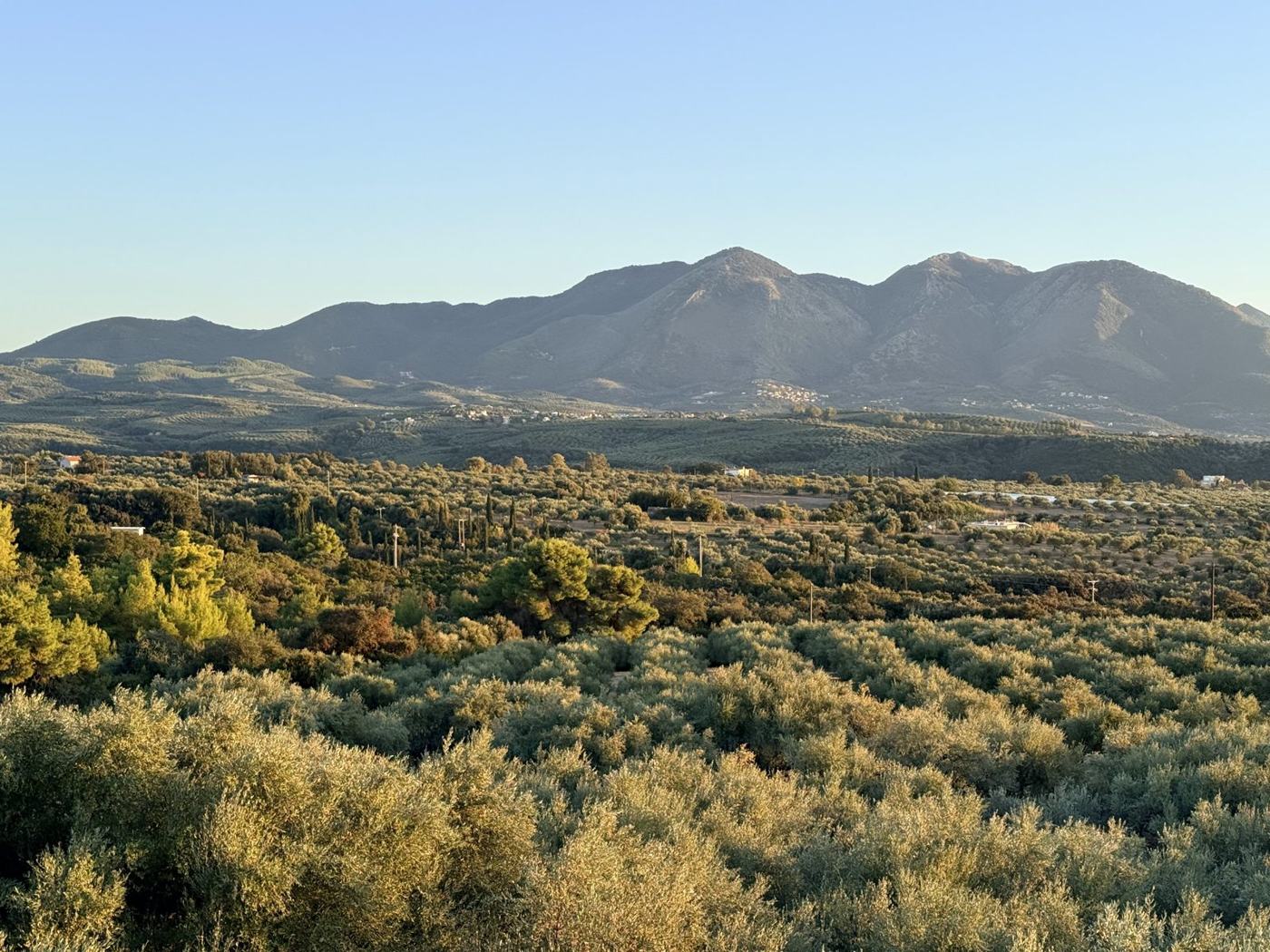
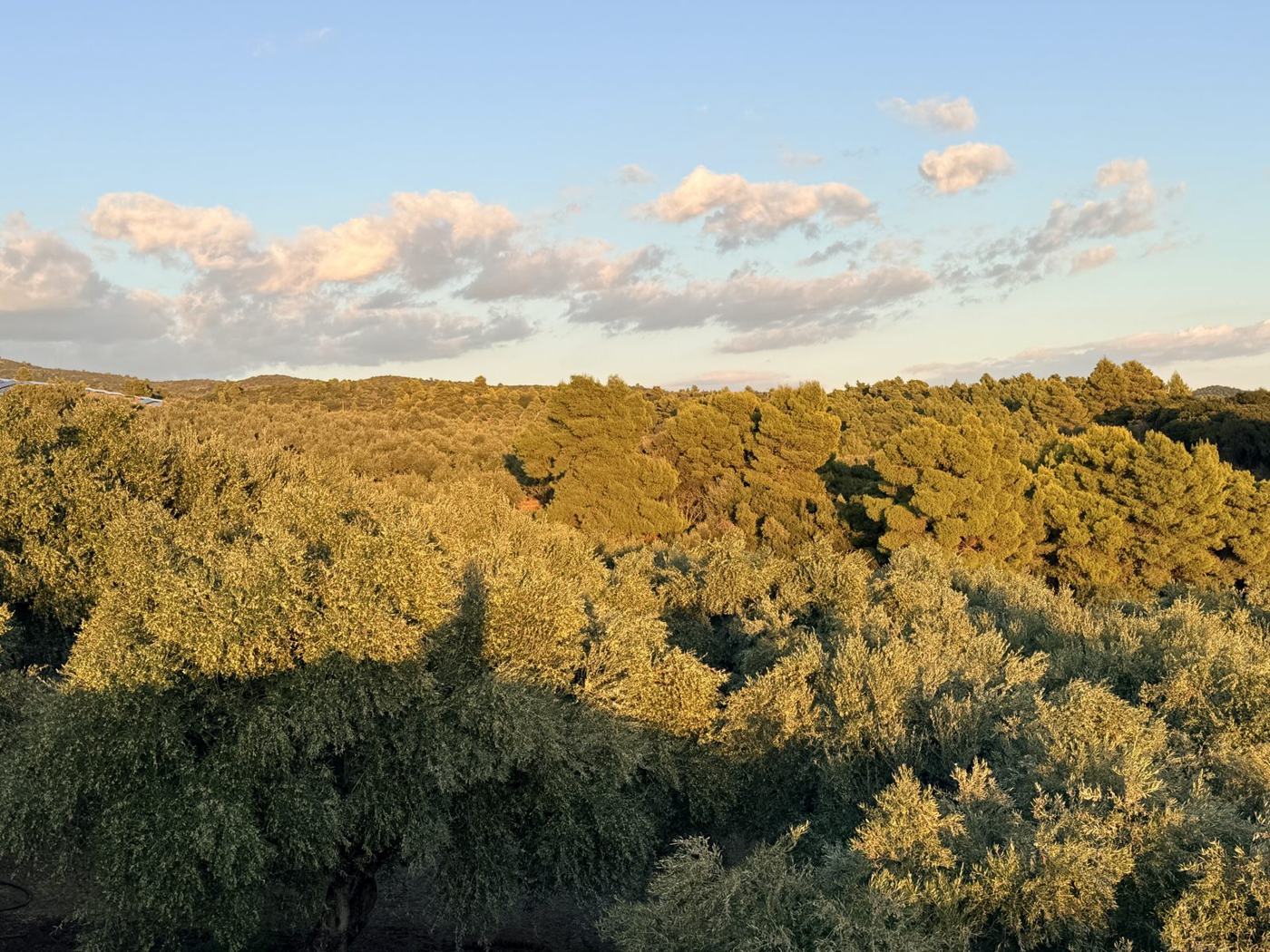
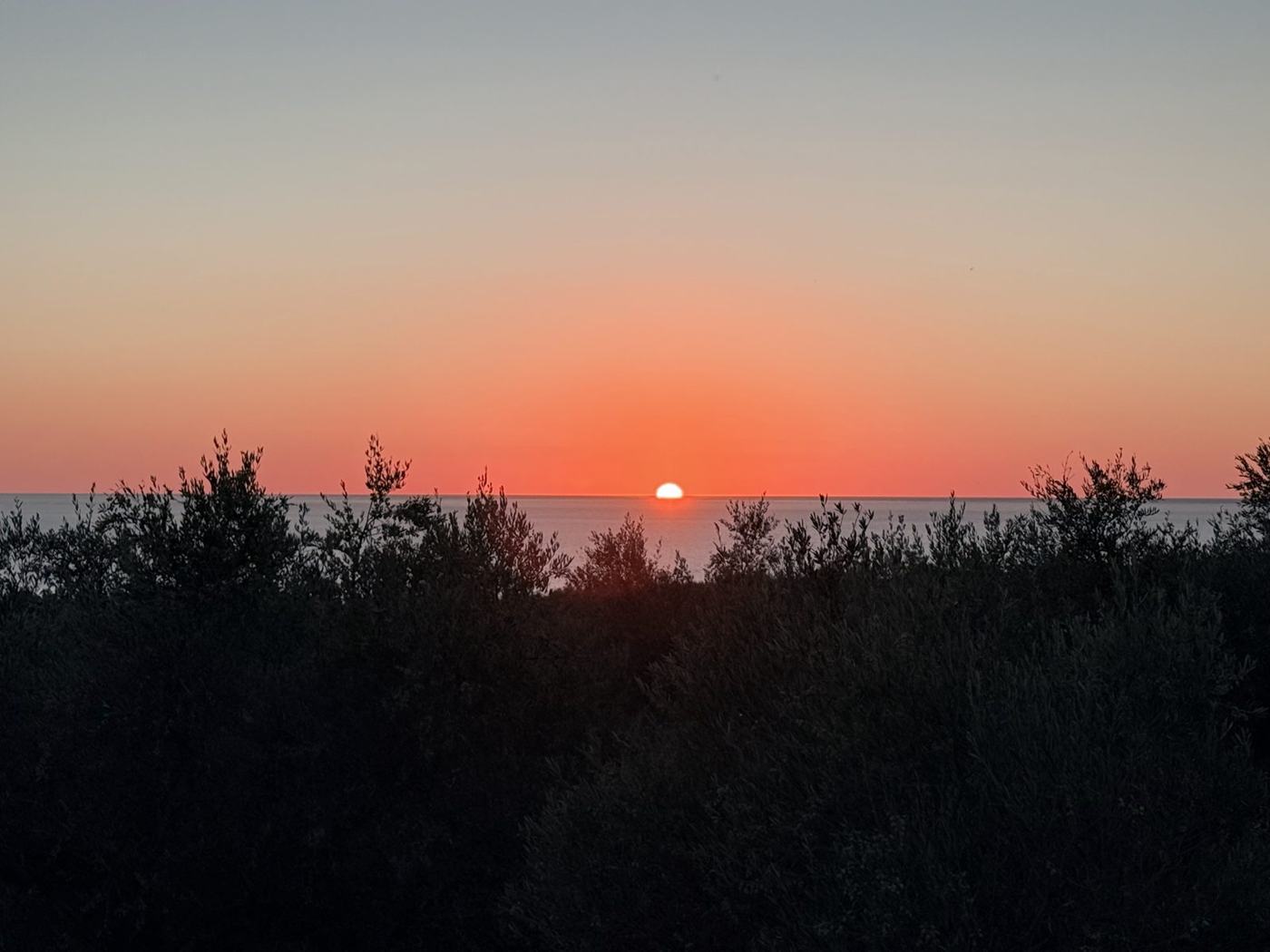
Three moments of the year, as the camera recorded them in the grove and at the mill.
Newsletter
The family
Genos means root, origin, the generations that follow one another. Our olive trees grow on the hills of Trifyllia, between Mount Psychro and the Ionian Sea, with plenty of sun and air from the sea. Several generations looked after them before us and left us knowledge that is not written in books. My father, Giorgos, and I, Dimitris, both studied agronomy at the Agricultural University of Athens. So every decision in the grove, from pruning to the moment of harvest, rests on both tradition and science. From here, Koroneiki gives the oil of our genos, for our children to carry on.
Dimitris ZogopoulosAgronomist · Agricultural University of Athens
History
To the south, the Palace of Nestor; to the north, Ancient Olympia; to the east, Ancient Messene beneath Mount Ithome. Between them, on the hills of Trifyllia, our olive trees grow.
3,200 years ago, Nestor's scribes recorded on clay tablets oil scented with rose and sage, offered to Potnia and Poseidon. At Olympia, victors were crowned with a branch from the sacred wild olive, the Kallistephanos. The olive has always been here: on the table, in the offerings, in glory.
The trees and the tools have changed; the work has stayed the same: look after the grove, pick at the right moment and keep the oil well.
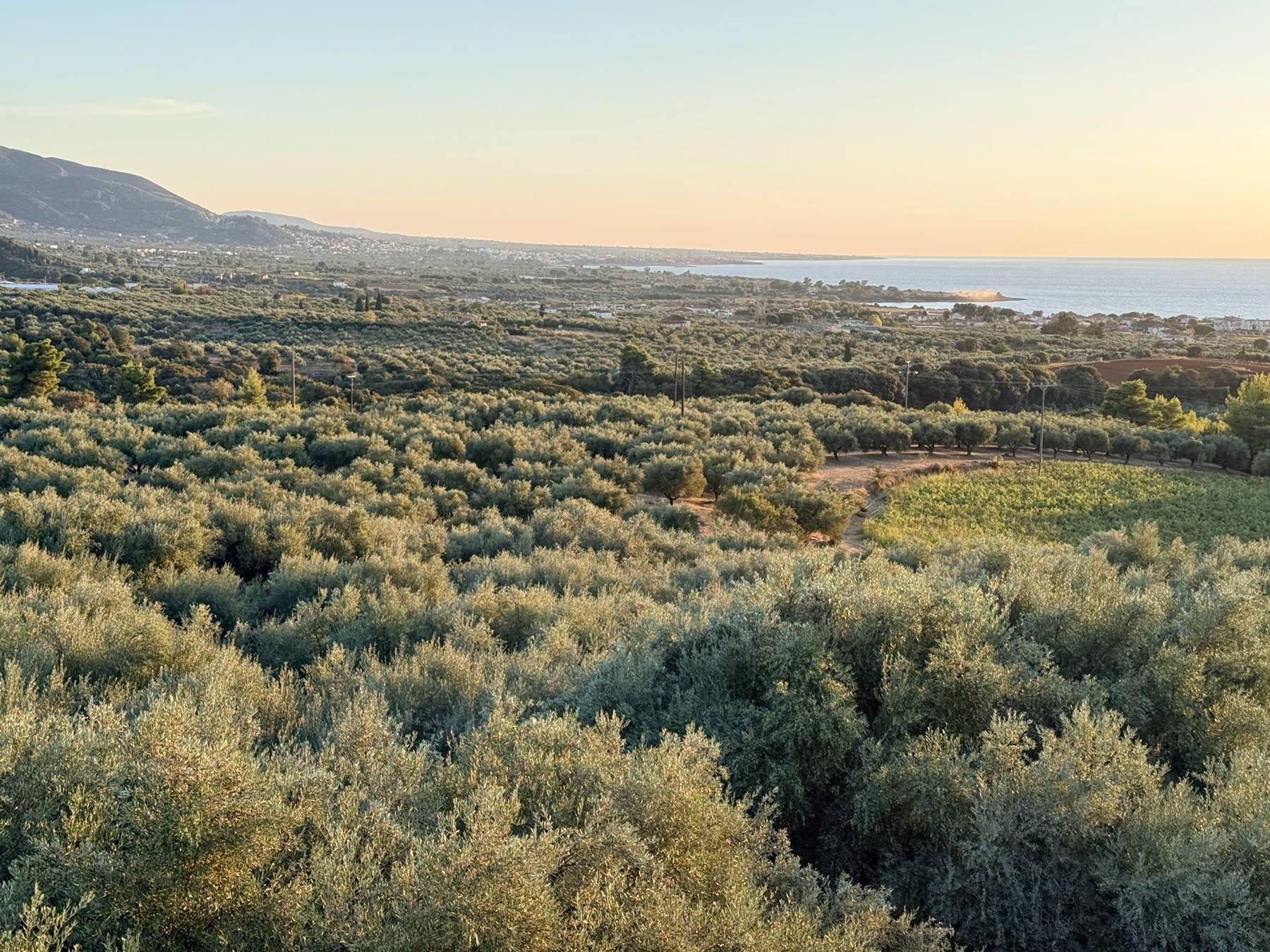
Our land
In the north-western corner of Messinia, where the Gulf of Kyparissia opens onto the Ionian Sea, lies Trifyllia. The municipality stretches from Avlonas and Kyparissia to Filiatra and Gargalianoi. Some five million olive trees grow here, and Trifyllia is one of the most important olive-producing municipalities in Greece.
The climate is purely Mediterranean. In the coastal zones of western Messinia the mean annual temperature exceeds 18 °C. Winter is mild and brings the rain, 800 to 1,500 mm a year, almost all of it between October and March. Frost rarely reaches the plain. Summer is long, hot and dry, with nearly 2,800 hours of sunshine a year.
The land rises in steps: first a narrow coastal plain, then a belt of low hills, and behind them the mountains of Kyparissia, whose highest peak, Aigaleo, reaches 1,224 metres. The olive groves spread mainly across the plains and the hills, at low altitude, looking out to the sea.
This is exactly what Koroneiki needs. It is a variety of warm, coastal areas. It does not like the cold and performs best below 400–500 metres. It withstands the thirst of summer and needs little winter chill to flower, so a mild winter does it no harm. Winter rains fill the soil with water before flowering, and the sun ripens the small fruit.
The character of our oil has its roots in this climate:
The result is a green, fruity olive oil with balanced bitterness and a peppery finish, which keeps its freshness.
Sketch map, not to scale. Green: Trifyllia.
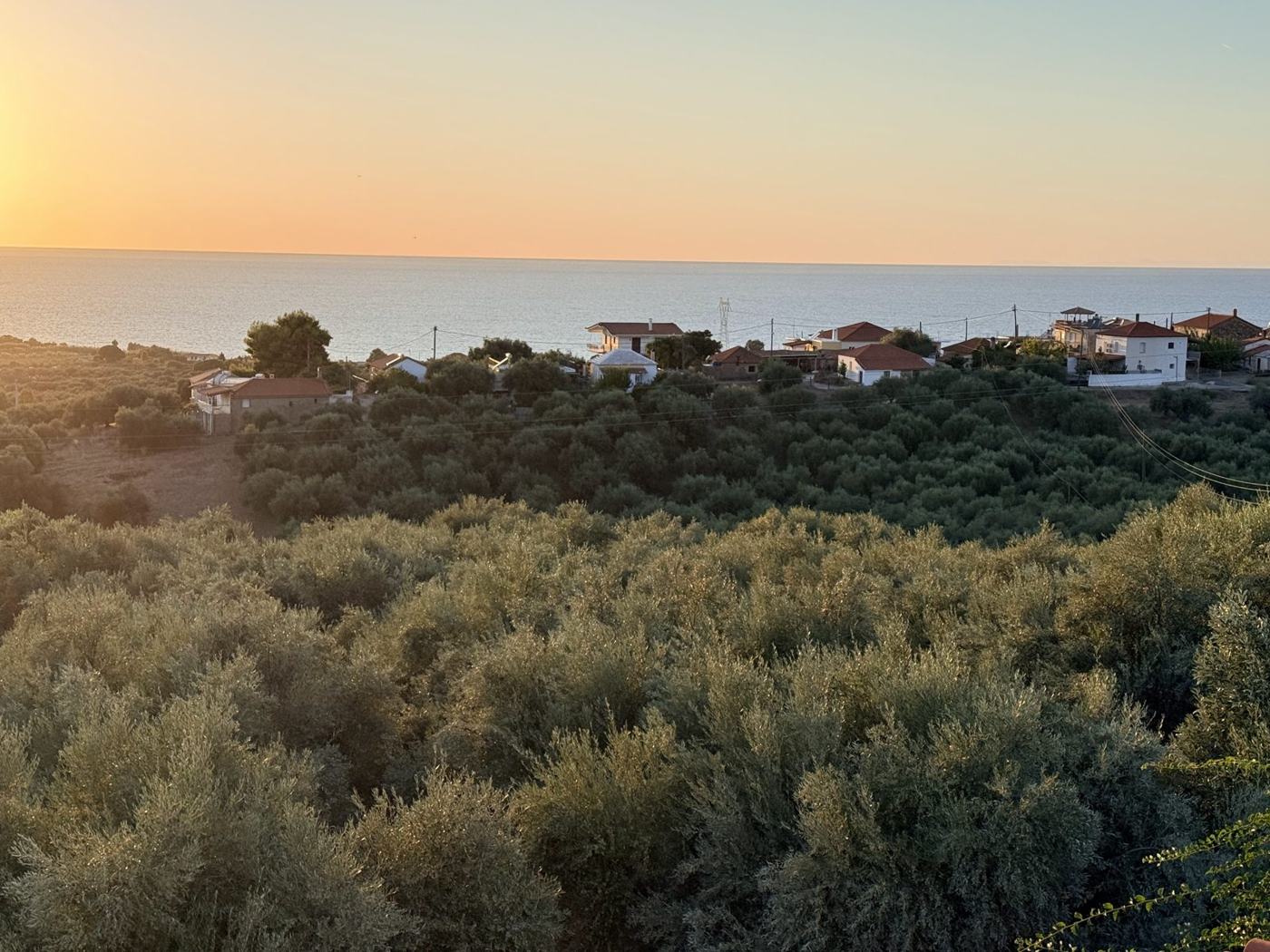
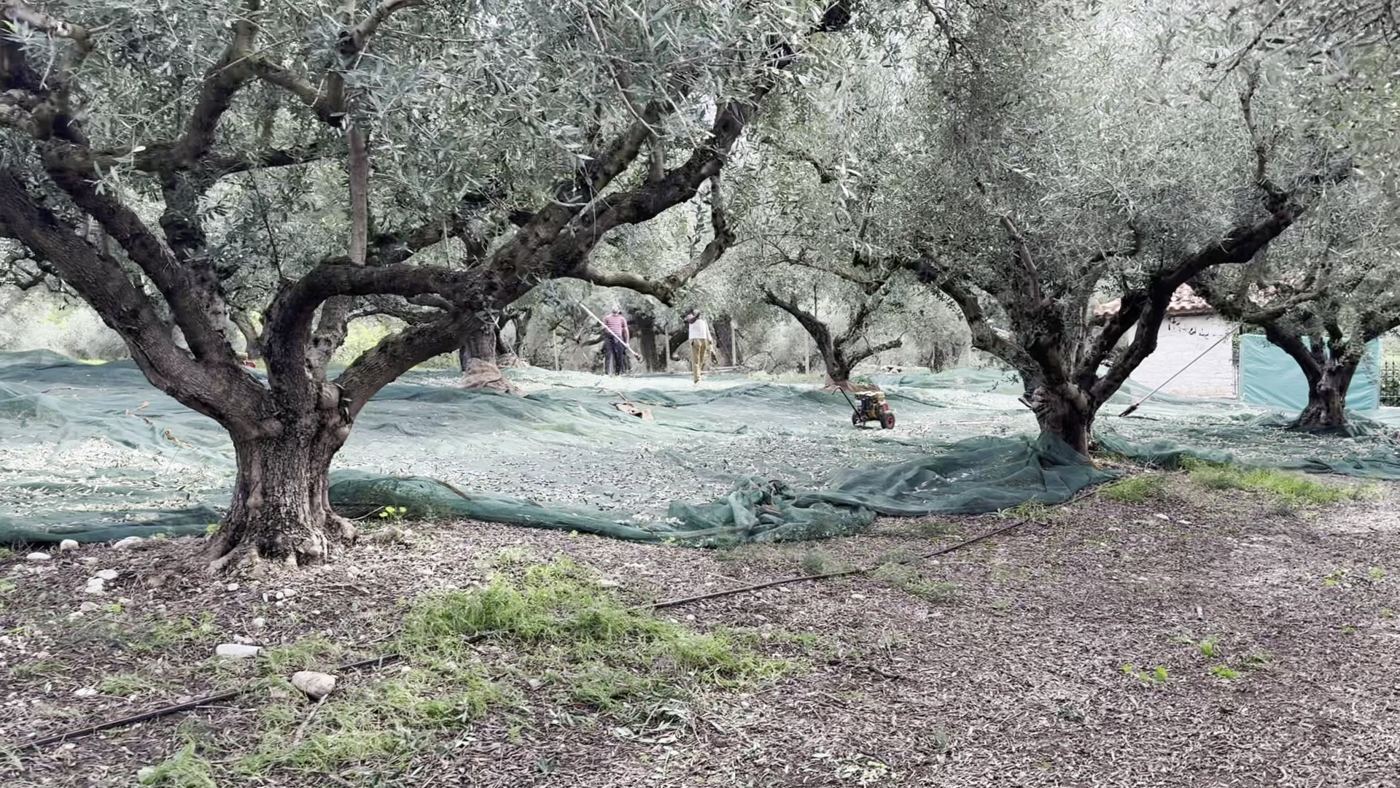
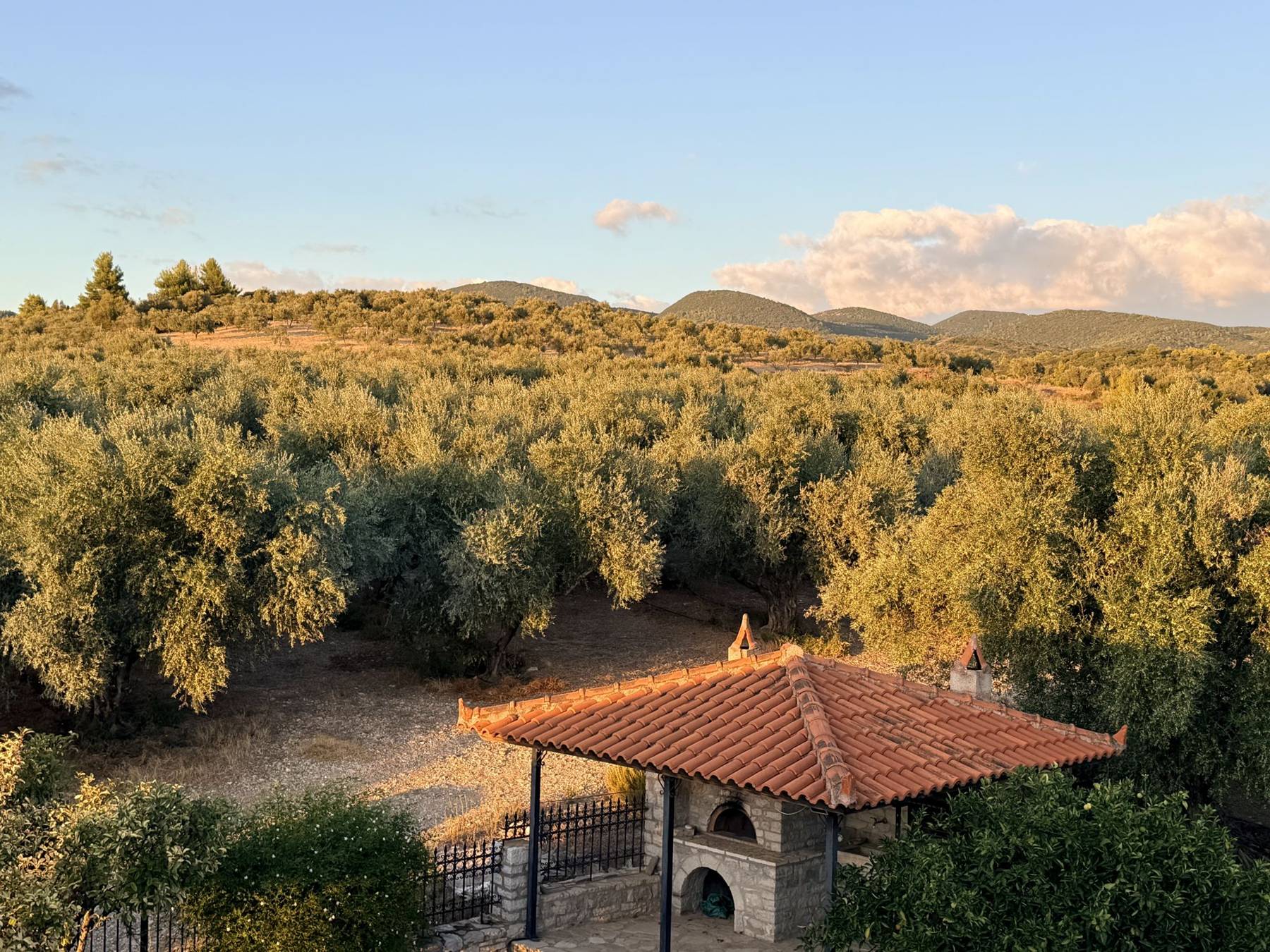
From the groves
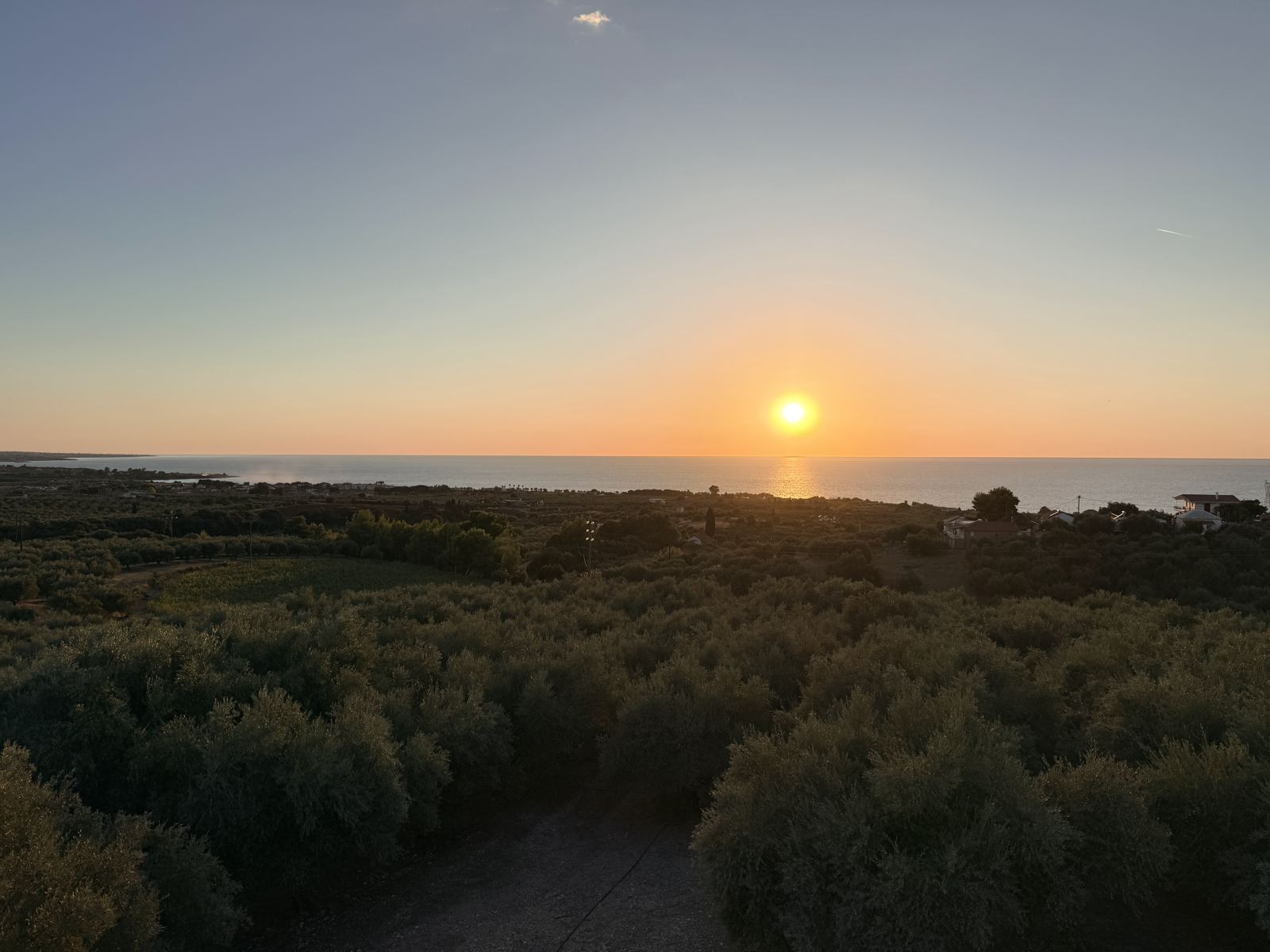
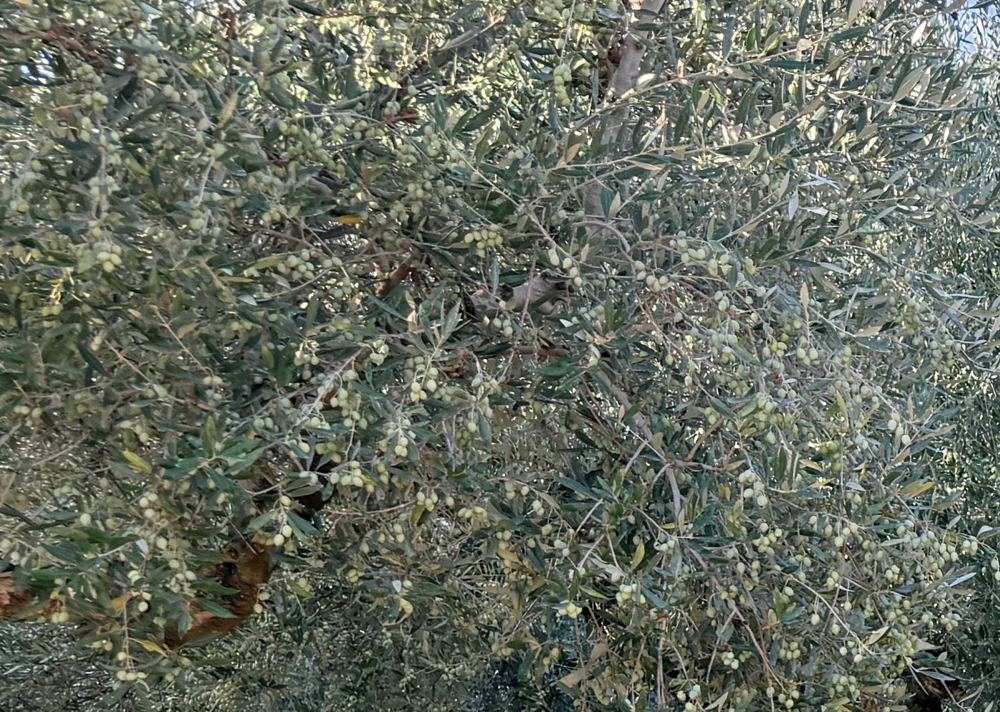
From grove to tin
Most bulk oil is picked late and blended for volume. We work the other way: fewer litres, more character.
Each tree is pruned by hand so light and sea air reach the fruit. Healthy trees give healthy oil.
We pick when the olives are ready, not by the calendar. Earlier fruit means less oil and more flavour.
Olives go to the mill quickly after picking, before they can heat up or bruise.
The oil rests, then goes into sealed tins that keep out light and air until you open them.
Why tins
Light and air are what age olive oil. A tin blocks both, travels without breaking, and is fully recyclable.
Unlike clear glass, metal lets no light in, so the colour and aroma keep longer.
No broken bottles on the way to Germany, the UK or the US.
A 0.5 L to try, a 5 L tin for the household that cooks every day.
Decant a little into a small dark bottle for the table and keep the tin closed in a cool cupboard.
Awards & certificates
Space for your first competition medal, e.g. NYIOOC, Olive Japan, Athena.
Space for certificates: organic, PDO / PGI, ISO, if you hold them.
Link to the latest lab certificate as a PDF.
Lab analysis · Transparency
Every harvest is tested by an accredited laboratory. Here are this year's results next to the legal limits for extra virgin olive oil.
| Parameter | EU limit (EVOO) | GENOS 2025/26 |
|---|---|---|
| Acidity (% oleic acid) | ≤ 0.80 | 0.69 |
| Peroxide value (meq O₂/kg) | ≤ 20 | 5.7 |
| K232 | ≤ 2.50 | 1.661 |
| K268 | ≤ 0.22 | 0.122 |
| ΔK | ≤ 0.01 | −0.002 |
| Fatty acid ethyl esters (mg/kg) | ≤ 35 | 8 |
| Waxes C42+C44+C46 (mg/kg) | ≤ 150 | 46 |
| Oleic acid C18:1 (%) | 55.00–85.00 | 75.16 |
| = 0 | 0.0 | |
| > 0 | 4.5 | |
| — | 2.6 | |
| — | 3.6 |
Scale 0–10, as in the official method of the International Olive Council. Intensity of fruitiness: delicate up to 3, medium above 3 and up to 6, robust above 6 (EU Regulation 2022/2104, Annex II).
Dashed line: the limit for a well-balanced oil, fruitiness plus 2 points.
Reading the results
Free fatty acids formed when olives are damaged or wait too long before milling. A low value shows healthy fruit, milled quickly.
The first products of oxidation. A low value shows fresh oil that has been protected from air, light and heat.
Ultraviolet absorbance. K232 rises with early oxidation; high K268 or ΔK values point to old or refined oil.
Formed when olives start to ferment. A low value confirms sound fruit, even where acidity would not show a problem.
High values reveal oil extracted from pomace with solvents. Oils obtained by mechanical means alone have low levels.
The main fatty acid of olive oil. Koroneiki oils are typically around 75%.
8 to 12 trained tasters look for defects and score fruitiness, bitterness and pungency. For extra virgin oil the median of defects must be zero and the median of fruitiness above zero.
Samples from every harvest are analysed by an accredited laboratory, Multichrom Lab. We publish the results here after each harvest, and the full certificates are available on request.
Limits: Commission Delegated Regulation (EU) 2022/2104. The science behind each test is explained in the article “The categories of olive oil”.
Grove diary
Photos and short videos from our groves in Trifyllia: the work of each season, from pruning to the harvest and the mill.
Months are indicative and change with the weather of each year.
Shop
One oil, from our own groves, in four sizes.
Adopt a tree
Choose a tree in our groves in Trifyllia. We give it your name, look after it all year, and send you its oil after every harvest.
Certificate of adoption
Anna Müller
is the adoptive family of olive tree no. 047
Example only
A sign with your name, or the name of the person you give it to, on your own tree.
A certificate with the tree's number and exact location, so you can find it on the map.
A tin of GENOS oil from the new harvest, shipped to your home each winter.
Photos of your tree in bloom, with fruit, and on harvest day.
Come to Messinia and we will take you to your tree, with a tasting in the grove.
For birthdays, weddings or a newborn: a tree that gives every year.
Fill in the form and we will send you payment details and your certificate.
Visit us
Come to Trifyllia and see where your oil comes from. Small groups, run by the family, in Greek and English.
A walk among the trees, how Koroneiki is grown, and a guided tasting of our oil with bread, olives and local wine.
€ price per personThe tasting, then a simple Greek dish cooked together with olive oil, eaten at a table in the grove.
€ price per personSpread the nets, pick olives with us, follow them to the mill and taste the new oil the same day. Lunch included.
€ price per personBook at least 48 hours ahead. Groups over 10 people, please contact us first. Tell us about any food allergies.
Kitchen
The dishes Greek families cook every week: ladera, legumes, pies, salads, meat, fish, breads and sweets. Each one uses olive oil as the main ingredient, not just for frying.
Articles
How we farm, how to choose and taste olive oil, and news from each harvest.
In the press
Space for articles, interviews and reviews about GENOS, with the outlet name, a short quote and a link.
Local press in Messinia, food blogs and importers' newsletters all count.
Wholesale & trade
We supply delis, restaurants and importers abroad directly from the producer. Tell us what you need and we will reply with prices and shipping.
Newsletter
info@genosoliveoil.com
+30 69X XXX XXXX add number
Orders by phone in Greek, English.
| Mon – Fri | 09:00 – 17:00 |
| Saturday | 10:00 – 14:00 |
| Sunday | Closed |
Visits to the grove by appointment.